Be yourself; Everyone else is already taken.
— Oscar Wilde.
This is the first post on my new blog. I’m just getting this new blog going, so stay tuned for more. Subscribe below to get notified when I post new updates.
The Use of Wearable Technology in Sport
The prevalence of electronic technology is evident in today’s world. This site aims to look at the impact of wearable technology in sport.
Be yourself; Everyone else is already taken.
— Oscar Wilde.
This is the first post on my new blog. I’m just getting this new blog going, so stay tuned for more. Subscribe below to get notified when I post new updates.
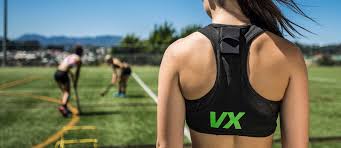
The emergence of electronic technology is evident in today’s world since the latter side of the 20th century. From this emerged the wave of wearable technology in the 21st century which is seen to be growing ever more so. Naturally this wave has spilled into the sports industry. From which GPS devices have been a growing trend in sports since its first use in 2001 in orienteering. The technology takes advantage of multiple satellites which orbit the earth to pick up signals from GPS units on athletes to establish the location and speed of it. It has been employed across a range of sports including rugby, soccer, Australian football and American football to name but a few. This blog post aims to look at its application in sports, how accurate is it really?, criticism of its utilization and what the future holds for GPS in sports.

The application of it uses in sport from training to competition day is limitless. Coaches can gather information on their athletes such as work rate, heart rate, total distance the athletes ran and the speed at which they ran it. One major use for GPS is injury prevention. A coach can see if an athlete has done too much and equally too little. How else is it used? The devices can map out an athletes positioning on the pitch which allows the coach to see their movements and make informed decisions. Is it too good to be true though?

Anytime a new piece of technology comes to the fore the accuracy of it is put into question. Here GPS technology is no different. Even though its manufacturers might claim and promise full reliability for their products, no GPS device is 100% accurate. Inaccurate measurements can occur leading to incorrect data which leaves the coach with ill informed decisions that can be crucial for competition outcomes. This leads into criticism of its utilization.

Often is the case where coaches are receiving too much information from these devices which leads to information overload and no better informed than they were before. On the flip side it is just as frequent for coaches to receive all this data and not do anything logically with it or only select 1 or 2 metrics to observe and not as a whole. This can be equally as negative. So what does the future hold for GPS in sport?
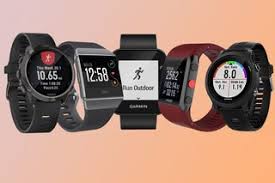
It is likely that GPS technology will stay a firm part of sports for the foreseeable future. Its cost once an unreachable factor for many is reducing due to the increasing number of manufacturers and brands associated with it. Particularly GPS watches are the trend in the race to achieve a ‘quantified self’ movement. Its accuracy will only increase with the continuous improvement in technology. For now though it cant be trusted 100% for accuracy. However the methodology of how a coach utilizes it is crucial. Knowledge and experience will come into play here and should be a key focus for any team contemplating investing in GPS. Nevertheless, with all the positives and negatives with its use taken into consideration you must ask yourself is GPS technology in sport a friend or foe?
Interested in learning more about GPS in sport? Click the links below!
https://metrifit.com/blog/gps-in-sport/
https://www.sportperformanceanalysis.com/article/gps-in-professional-sports
https://www.catapultsports.com/blog/6-reasons-coaches-using-gps-athlete-monitoring
https://sportsperformancetracking.com/blogs/spt-playbook/how-do-coaches-use-gps-technology-in-sport
https://mikerawson23.wordpress.com/2014/01/29/do-global-positioning-systems-have-a-future-in-sport/
https://mharrison2011.wordpress.com/2014/05/03/the-use-of-gps-technology-in-sport-2/
This is an example post, originally published as part of Blogging University. Enroll in one of our ten programs, and start your blog right.
You’re going to publish a post today. Don’t worry about how your blog looks. Don’t worry if you haven’t given it a name yet, or you’re feeling overwhelmed. Just click the “New Post” button, and tell us why you’re here.
Why do this?
The post can be short or long, a personal intro to your life or a bloggy mission statement, a manifesto for the future or a simple outline of your the types of things you hope to publish.
To help you get started, here are a few questions:
You’re not locked into any of this; one of the wonderful things about blogs is how they constantly evolve as we learn, grow, and interact with one another — but it’s good to know where and why you started, and articulating your goals may just give you a few other post ideas.
Can’t think how to get started? Just write the first thing that pops into your head. Anne Lamott, author of a book on writing we love, says that you need to give yourself permission to write a “crappy first draft”. Anne makes a great point — just start writing, and worry about editing it later.
When you’re ready to publish, give your post three to five tags that describe your blog’s focus — writing, photography, fiction, parenting, food, cars, movies, sports, whatever. These tags will help others who care about your topics find you in the Reader. Make sure one of the tags is “zerotohero,” so other new bloggers can find you, too.

 The Use of Wearable Technology in Sport